

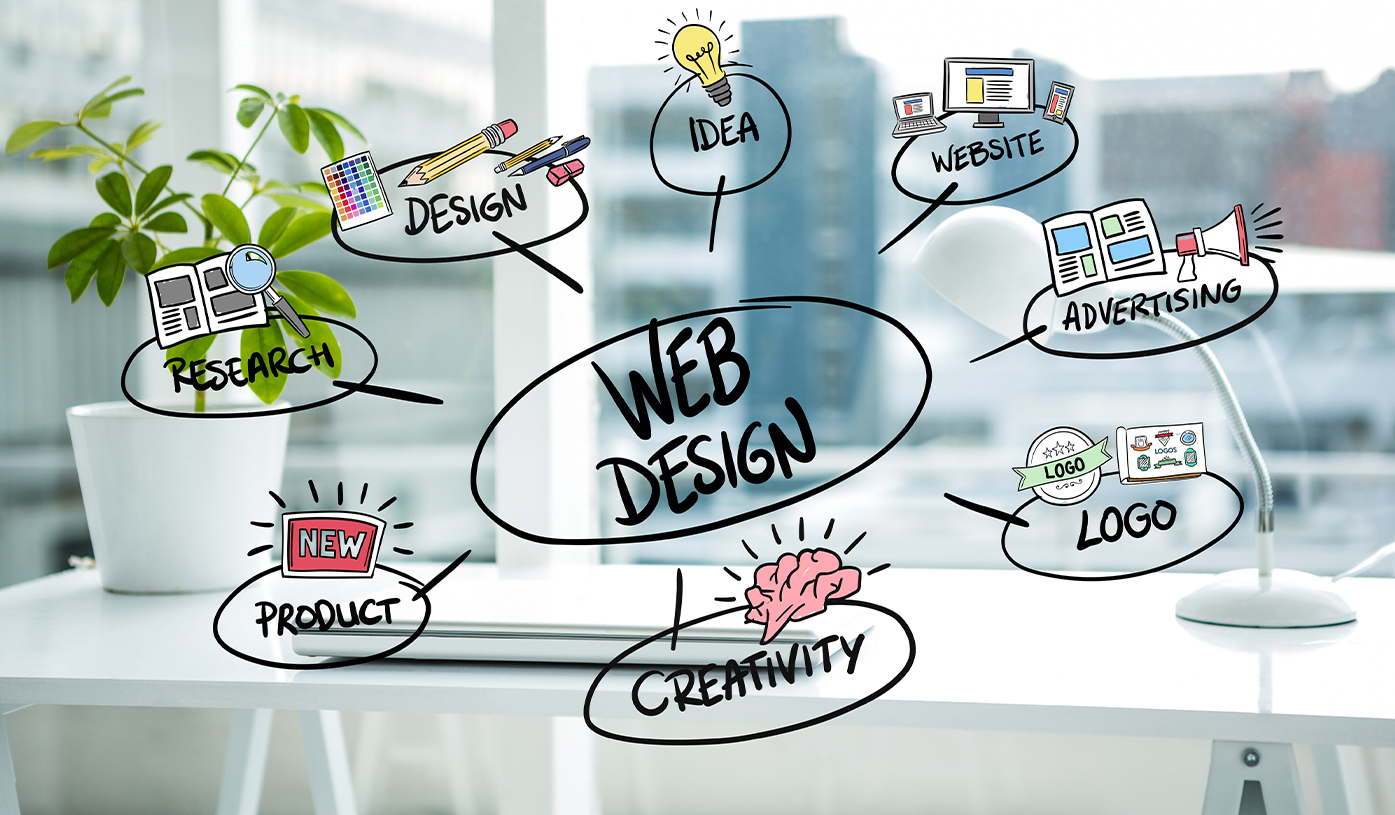
Seekvector delves into the key elements of effective website design in 2025, a year that marks a new era of digital experience. As technology evolves and user expectations increase, it’s crucial to adapt and innovate your website’s design to stay competitive. A website’s design plays a pivotal role in user engagement, search engine rankings, and overall brand perception. From mobile-first design to interactive elements, understanding the essential components of modern website design is critical for businesses aiming to improve user experience and conversions. In this article, we will explore the most important trends and design principles shaping website development in 2025.
As more user's access websites via smartphones, mobile-first design is no longer optional—it’s essential. Google’s mobile-first indexing and the growing number of mobile users make optimizing for mobile devices a top priority. Here’s why mobile-first design is crucial in 2025:
Improved User Experience: Websites designed for mobile devices ensure smooth navigation and fast load times, improving the overall user experience.
SEO Benefits: Google rewards mobile-optimized websites with higher rankings, giving you an advantage in search results.
Increased Conversions: Mobile-friendly websites lead to higher engagement and conversion rates, especially in e-commerce.
Adopting a mobile-first approach ensures your website reaches and engages the growing mobile audience effectively.
Website performance directly impacts user satisfaction and SEO. Slow-loading websites frustrate users and result in higher bounce rates. In 2025, optimizing for speed is more important than ever. Here’s why:
User Retention: A fast website keeps users engaged and encourages them to stay longer on your site.
SEO Rankings: Search engines, especially Google, prioritize fast websites in their rankings, making performance a key factor for visibility.
Better Conversion Rates: Faster websites improve conversion rates by reducing friction and providing a smoother shopping experience.
Optimize your website’s speed by compressing images, minimizing JavaScript, and utilizing caching techniques to keep your site fast and responsive.
User-centered design (UCD) focuses on creating websites that cater to the needs, behaviors, and preferences of the end user. This design approach ensures that your website is easy to use, visually appealing, and functional. Key principles of UCD include:
Intuitive Navigation: Simplify the website structure to make it easy for users to find what they need.
Clear Call-to-Actions (CTAs): Use CTAs that guide users towards the actions you want them to take, such as making a purchase or signing up for a newsletter.
User Feedback: Regularly gather feedback from users to understand their pain points and improve the design.
By focusing on the user, you can create a website that resonates with visitors and keeps them coming back.
Modern websites in 2025 are becoming more interactive and personalized, offering users a dynamic experience. Here’s how you can enhance your website’s interactivity and engagement:
Interactive Features: Elements like hover effects, animations, and videos can make the website more engaging and fun to explore.
Personalized Content: AI-powered tools allow websites to offer tailored content based on a user’s browsing history, preferences, and behavior.
Chatbots and Virtual Assistants: These tools provide instant support, improving customer service and guiding users through their journey.
Incorporating these interactive elements not only improves user experience but also drives higher engagement and satisfaction.
Occasional updates when we add new brands and formats. No spam, unsubscribe any time.